


Challenge
Capitol Studios commissioned a custom mastering console to be built from the ground up, a rare project that required designing a faceplate that could live up to the studio's iconic legacy while meeting the exacting practical demands of professional mastering engineers. The primary design constraint was spatial: both the hardware manufacturer and Capitol's engineering team imposed strict limitations on control placement, leaving little room for error and no room for compromise between form and function.
Approach
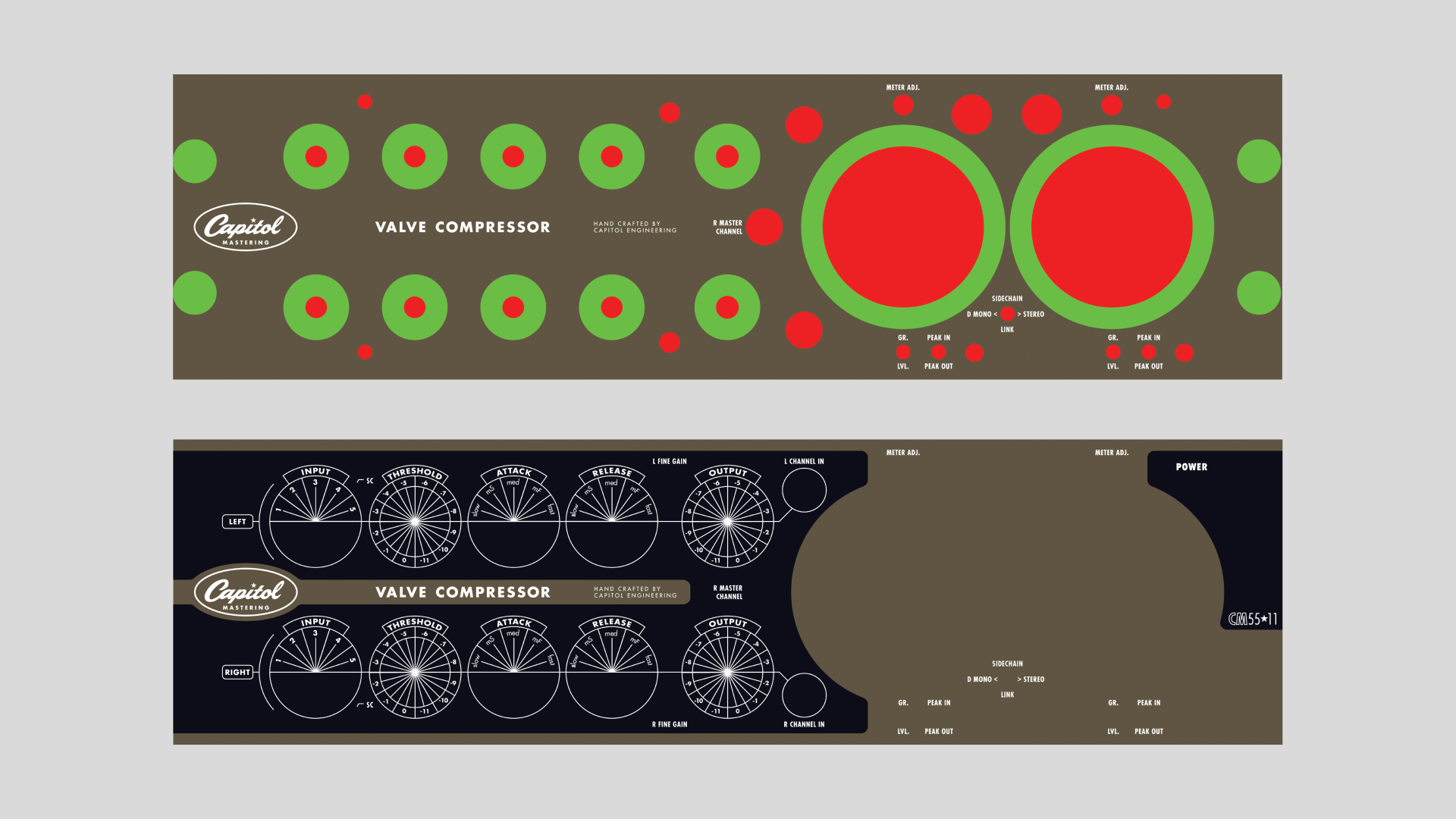
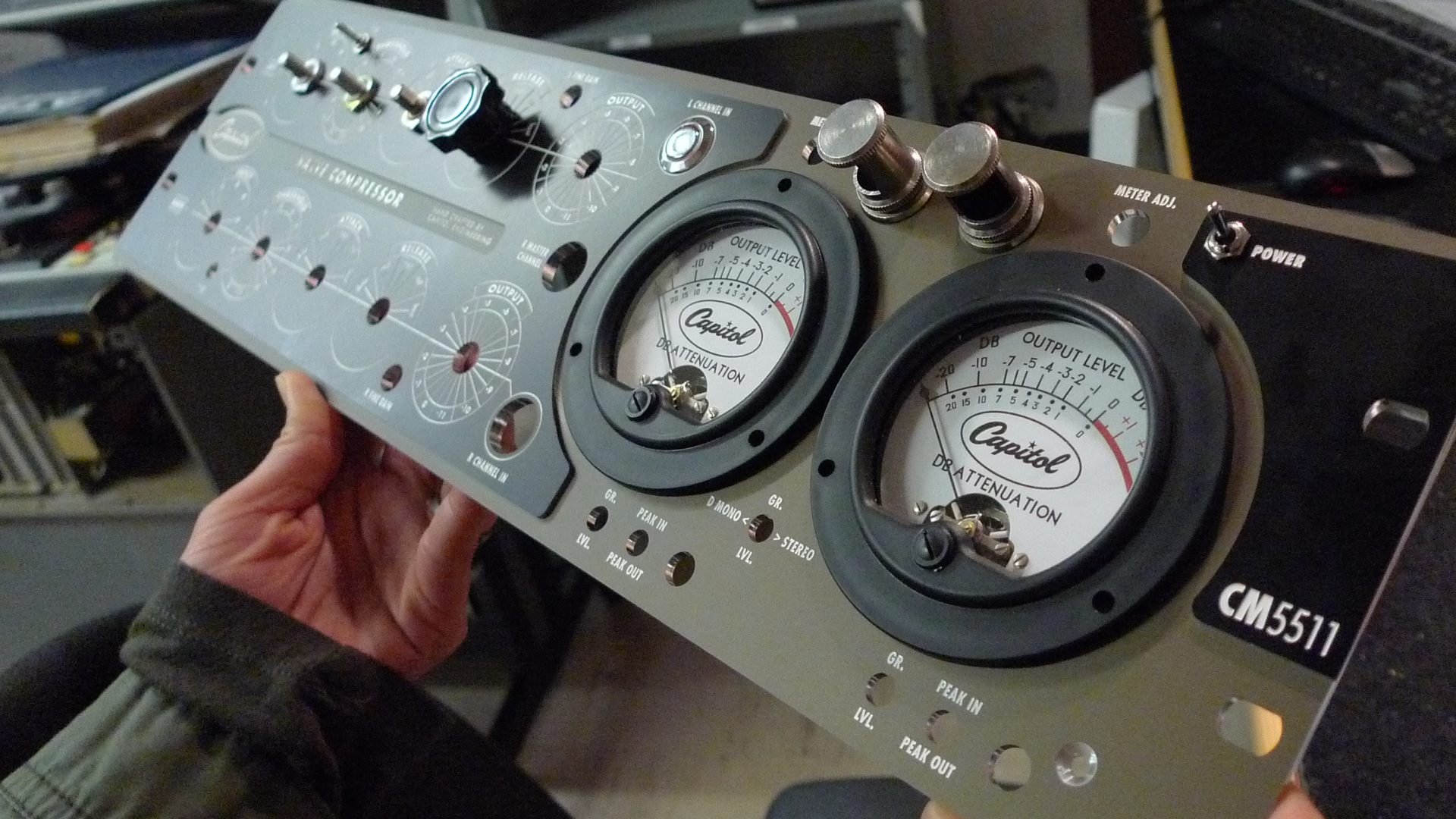
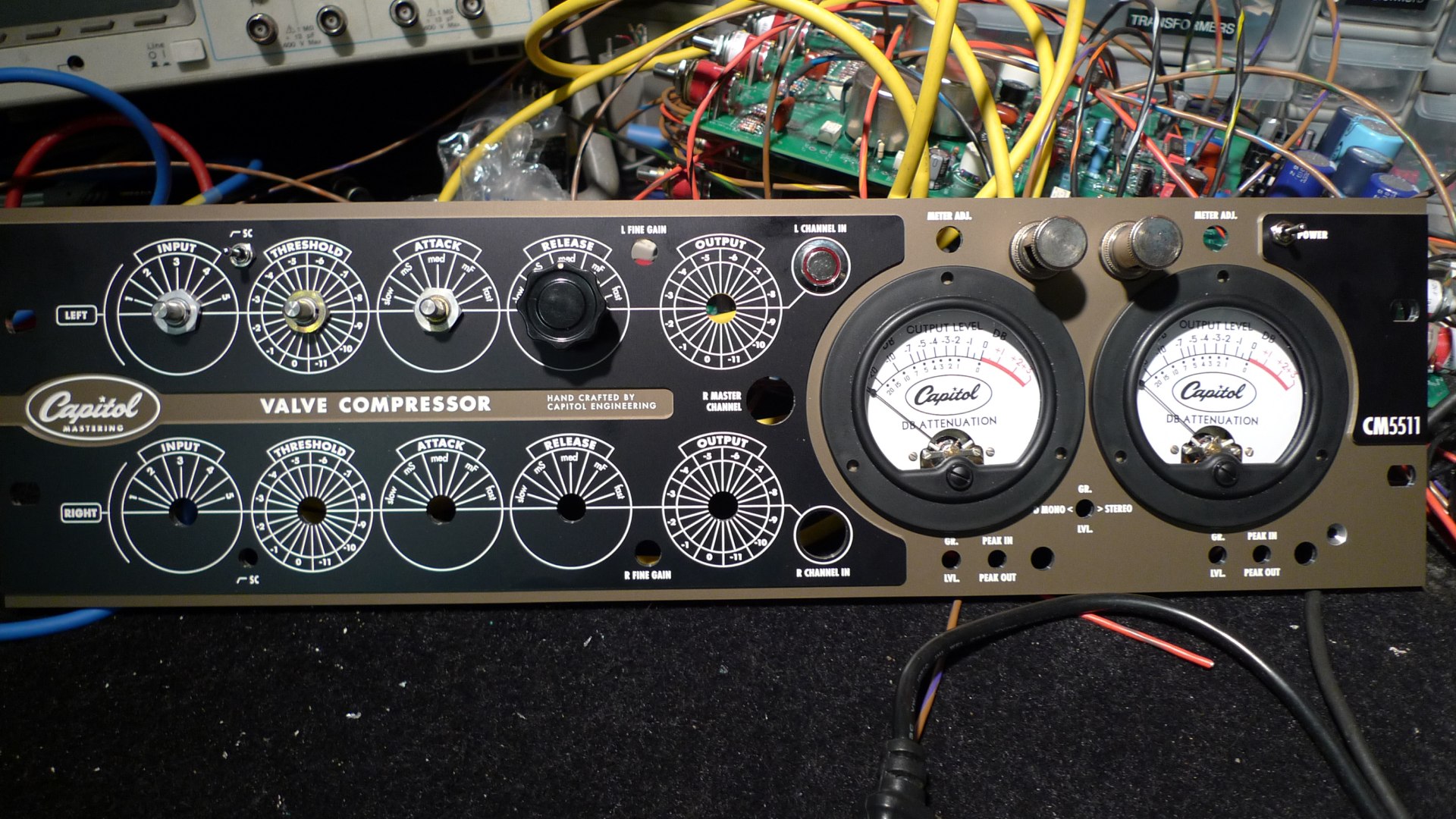
Under the creative direction of Dave Matli at Matli Group, I worked closely with Capitol Mastering's engineers to develop a faceplate design that honored the studio's iconic mid-century modern aesthetic, drawing inspiration from the architecture of the Capitol Records building and the timeless elegance of vintage studio gear. The visual language needed to feel like it belonged in a room of vintage Neumann mics, Studer tape machines, and Neve consoles, not like a contemporary product imitating that history.
Within those aesthetic constraints, I focused on interface clarity. Knob placement, typography, and visual hierarchy were all carefully considered to ensure intuitive usability during high-precision sessions where engineers can't afford to hunt for controls. Control placement was refined iteratively through close collaboration with the mastering engineers until the layout was both efficient and visually cohesive.
Impact
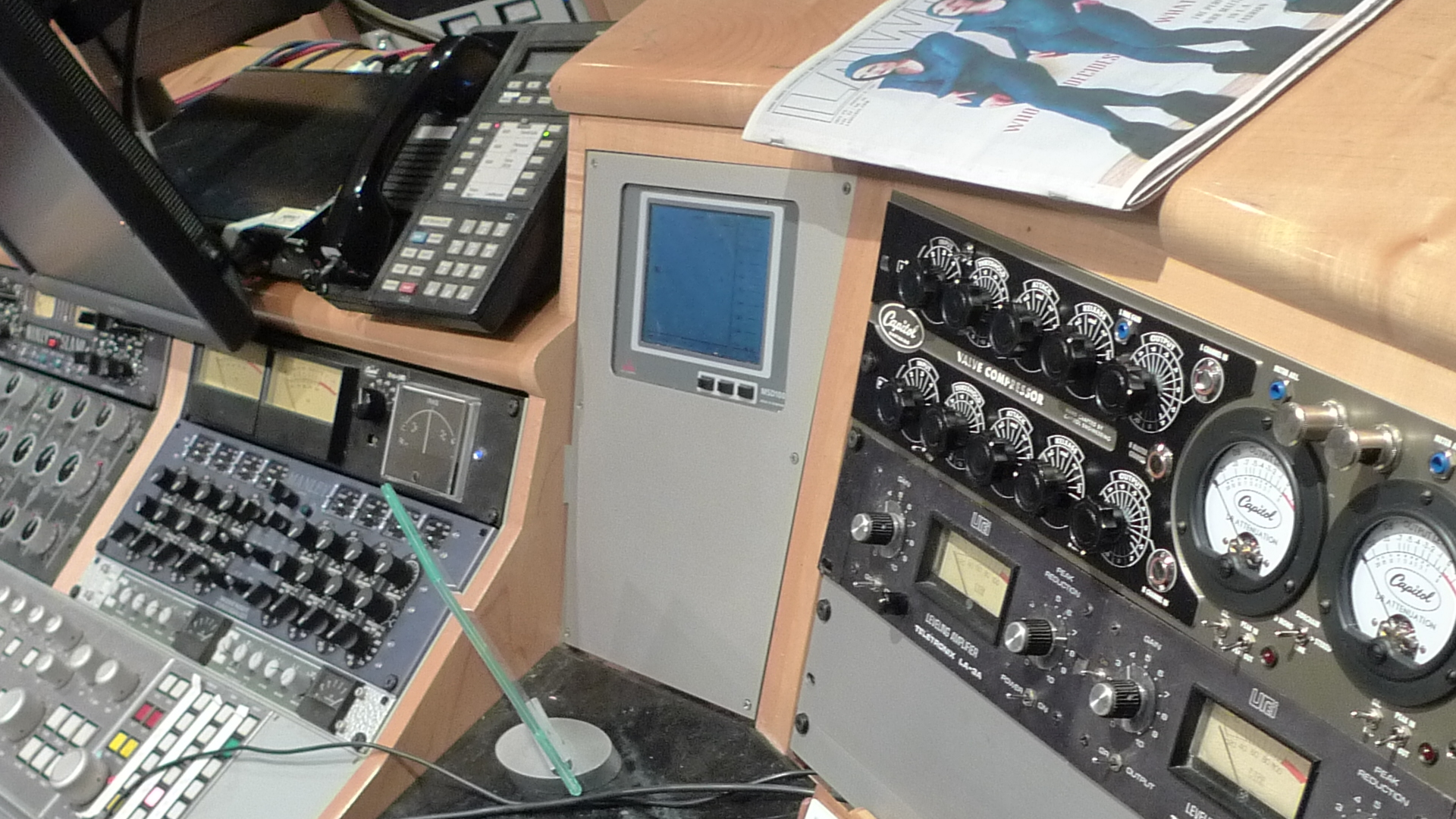
The console was built, installed at Capitol Studios, and has been in active daily use by the mastering team since delivery. Seeing it in use by world-class engineers in one of the most storied recording environments in the world is about as clear a measure of success as a hardware project can have.